New Approaches and Creative Partnerships
Interdisciplinary Collaboration & Partnerships
An easy way to consider various disciplinary approaches is on a scale that moves from no interaction and collaboration between disciplines on one extreme, to high levels on the other. Four distinct approaches can be identified as per below.
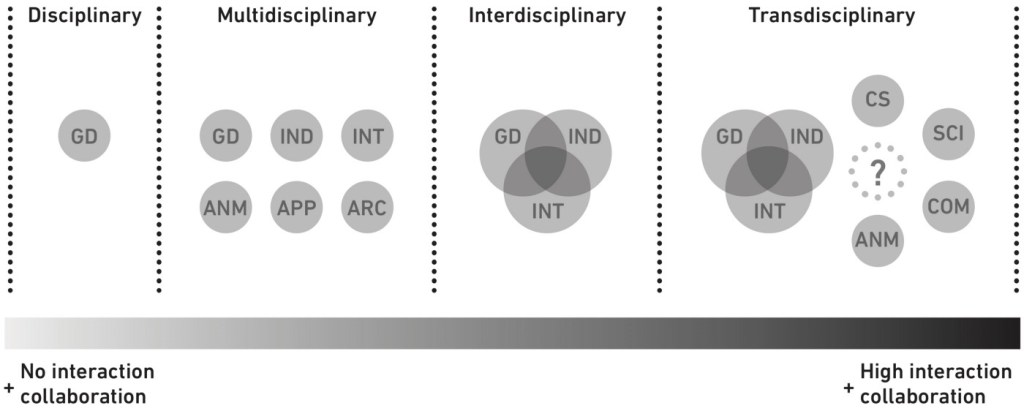
Disciplinary refers to a single-discipline or ‘silo’ of knowledge. A stand-alone academic unit that resides with no other design disciplines would reflect a purely disciplinary approach.
Multidisciplinary design exists when two or more disciplines are located in an academic unit. If no significant collaboration between disciplines exists, then interdisciplinary design should not be claimed. The multiple disciplines shown in the above diagram include graphic design, industrial design, and interior design, along with animation, apparel design, and architecture.
Interdisciplinary design requires significant collaboration between disciplines, and often results in shared learning experiences that address overlapping areas of concern. For example, product controls and interfaces concern both graphic design and industrial design. Physical human factors, and the design of compact spaces for trains, buses, airplanes, etc. concerns both industrial design and interior design. Exhibits and way-showing systems concern both graphic design and interior design. Finally, areas that overlap all three disciplines include larger, integrative topics such as interaction design, service design, and experience design. Informing all these core interests is a human-centered research approach that enables both designing ‘for’ and ‘with’ various stakeholders to determine effective final outcomes.
New genres of design specialism
With the rise of digitalization, the design industry was revolutionized. New design specialties have emerged that are related to digital and the web. According to an article published on Upwork, it discussed the different and new types of graphic design. Graphic design is a form of visual communication and leverages images and other visual elements to convey ideas. It has become an umbrella term for various types of design work.
Interactive/ Web Designer
From landing pages and blog templates to entire websites and mobile apps, the digital space is an interactive designer’s domain. Interactive or web designers need to understand the technology used to build websites and turn their designs into actual online experiences. As a result, some designers may understand front-end web development and might know programming languages such as JavaScript. That said, content management systems or CMS, such as WordPress and Drupal, are widely used for many websites today. They make it easier for designers to customize pre-made templates and themes without needing to work with a developer or know programming languages.
In general, web designers will know Adobe Creative Suite (Photoshop, Illustrator, etc.) and some may also know CSS and HTML. Because of the complexity of the web, there are many relatively new (and in-demand) skills designers may specialize in:
User experience (UX): explores the experience people have using a site, app, or tool to ensure it’s easy to use and not confusing.
User interface (UI): involves how people navigate through a site, app, or tool, using elements such as buttons, menus, color, and images. Many designers may be skilled at both UX and UI.
Interaction design: focuses on how people are involved with the experience of the product, for example, a progress bar that shows where you are while signing up for a site or an icon that changes color to signal you’ve turned on a setting.
Information Architecture (IA): involves creating the blueprint for a website by making sure it’s organized in an understandable way. Information architects come from a variety of backgrounds, including design, writing, library science, and psychology.
Motion Graphics Designer
The world of the motion graphics designer evolves frame by frame. Whether they’re creating an explainer video or the opening title sequence of a movie, motion graphics designers bring movement to otherwise static images, text, illustrations, and more. For instance, to develop an online video, they typically will start by creating storyboards that map out each scene based on a script. From there, they put the scenes and images together, adding motion and graphical elements to ensure it moves seamlessly from frame to frame. They also sync up the action in each scene with a voiceover or music.
Animator
From animated films to special effects to video games, animators bring stories, characters, and entire other worlds to life through software such as 3Ds Max, Maya, Cinema 4D, After Effects, and Blender. Designs can be two-dimensional (2D) or three-dimensional (3D).
Architectural Designer
Drafting plans for houses, buildings, and outdoor spaces is all in a day’s work for an architectural designer. They translate concepts from engineers, architects, and clients into drawings and 3D models. They use software such as AutoCAD and Revit and are familiar with building codes and construction materials.
Industrial Designer/Product Designer
Consumer electronics, cars, construction equipment. Industrial designers, also known as product designers, develop every kind of product imaginable for a wide variety of industries and purposes. Through prototyping, testing, and iterating, they bring products to life. They also consider the function, form, and ergonomics of a product when designing. They use computer-aided design (CAD) programs such as AutoCAD or SolidWorks to create and manipulate 3D models of a product.
Instructional Designer
Within a company, instructional designers create learning experiences for a wide range of subjects such as new hire onboarding, product tutorials, legal and compliance protocols, and management development. Whether they’re in a virtual classroom or a conference room, they understand how people learn and create experiences that will be effective for diverse audiences.
Communication in an interdisciplinary team
Interdisciplinarity integrates information, data, methods, tools, concepts, or theories from two or more disciplines or bodies of knowledge to address a complex question, problem, topic, or theme. Work may occur individually or in teams, though in the latter case, communication is essential to successful collaboration.
According to an article on (scidev.net), Each discipline uses its own terms, definitions and jargon, and this often leads to miscommunication. Interdisciplinary colleagues may have different meanings for the same words, or not even recognise some terms used by team members with different expertise.
Team managers should deliberately supplement talk about tasks with explicit discussions about language differences, framing them as learning opportunities for the entire team. Differences in perspective also stem from culture and nationality. Another cultural challenge is that of gender.
In most interdisciplinary research projects, there isn’t time to understand one another’s work intimately. And that’s also the point — you need to trust your colleagues and their expertise. After all, the intention is to combine people’s knowledge to serve the project.
Facilitators can help the team to manage unhelpful communication habits, actively regulating ‘unsportsmanlike’ conduct. Increasingly, funding agencies, nongovernmental organisations and universities are training professional facilitators to specialise in team management and research collaboration.
Successful interdisciplinary teams make time for each other. Colleagues who enjoy spending time together are more open and willing to learn from each other. Making time is difficult, but project proposals and team agendas should include time that is explicitly for building trust, talking around potential communications issues and interacting socially. Don’t be tempted to think of this as a ‘waste’ of time — your working relationships will benefit.
You should be aware of how you’re behaving when spending time together too — make sure that you listen attentively and are open to new thinking and viewpoints. You might not always have a professional facilitator, so it’s vital that everyone is aware of their behaviour and its effects on team communication and collaboration.
Humor can relieve stress, support common values and group goals, and integrate ideas. More importantly, it can diffuse problems before they grow. Joking and laughing can build cohesiveness within a team. Teams should consider scheduling social time for mingling, building relationships and laughing.
While the challenges can be frustrating, interdisciplinary projects offer rich learning opportunities. Once you’ve finished a project, try to avoid going back to your traditional silo. It would be a shame to close the lines of communication now you’ve opened them. Depending on your field, you might find that you often can get involved in interdisciplinary projects — try to share what you’ve learnt and spread the word.
Workshop Challenge
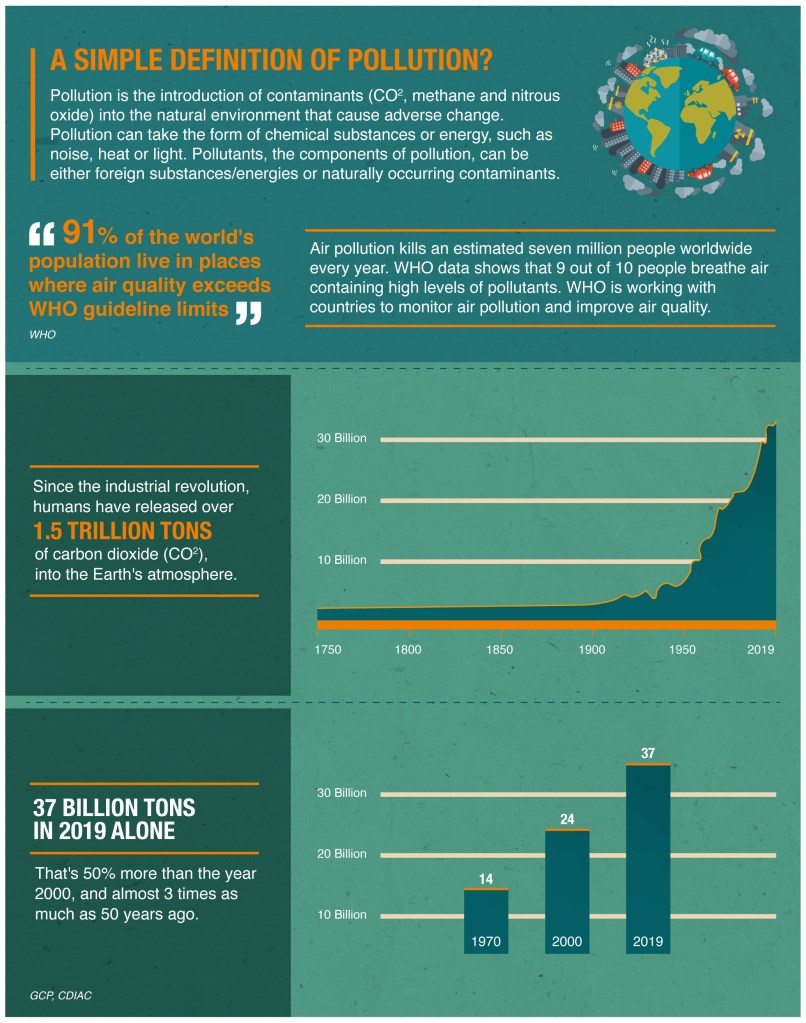
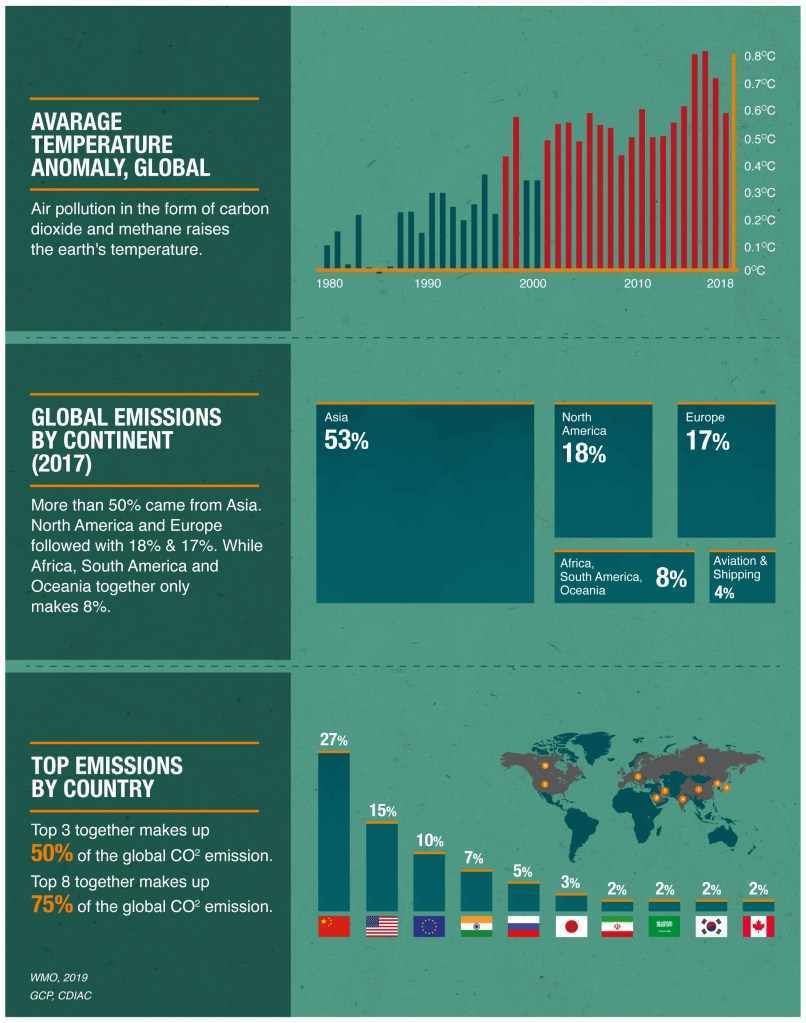
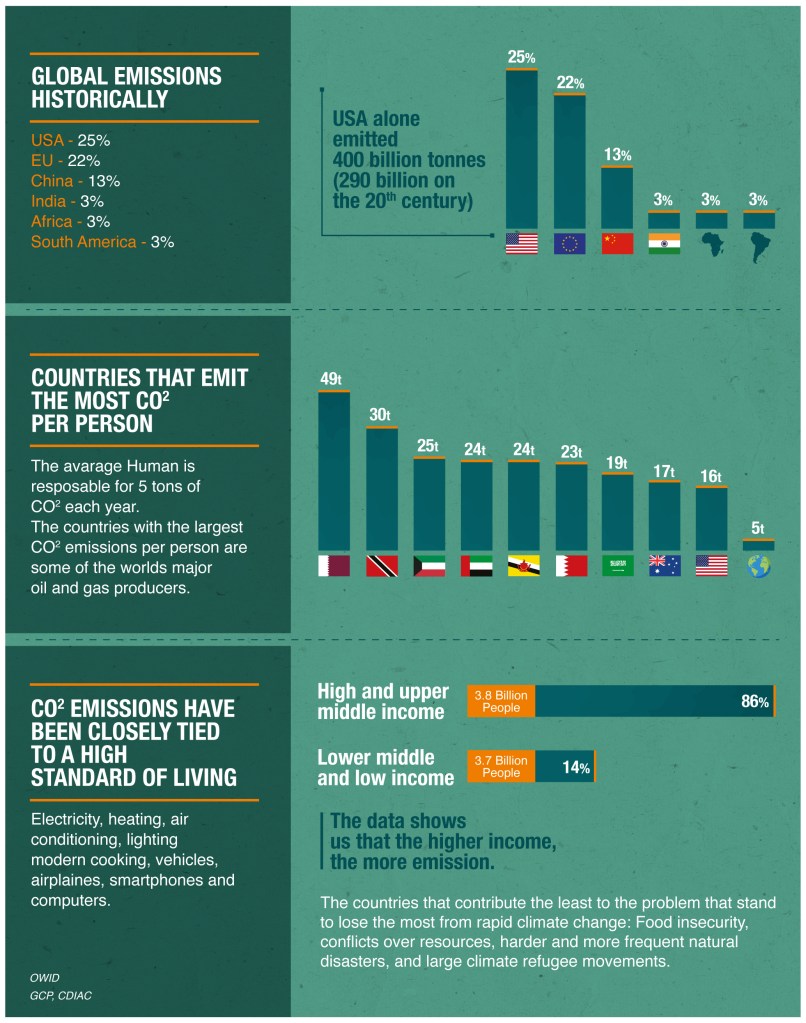
I’m interested in the topic of reducing pollution in inner cities. I like topics about the environment and climate change. I usually read articles and watch YouTube channels on the same. I already know quite a lot about the topic and have quite a few questions.
Brainstorming ideas:
- Air pollution
- Different types of vehicles
- Ambient air pollution
- Urban air pollution
- Global warming
- Carbon dioxide
- Public transportation
- Active travel
- Future cities
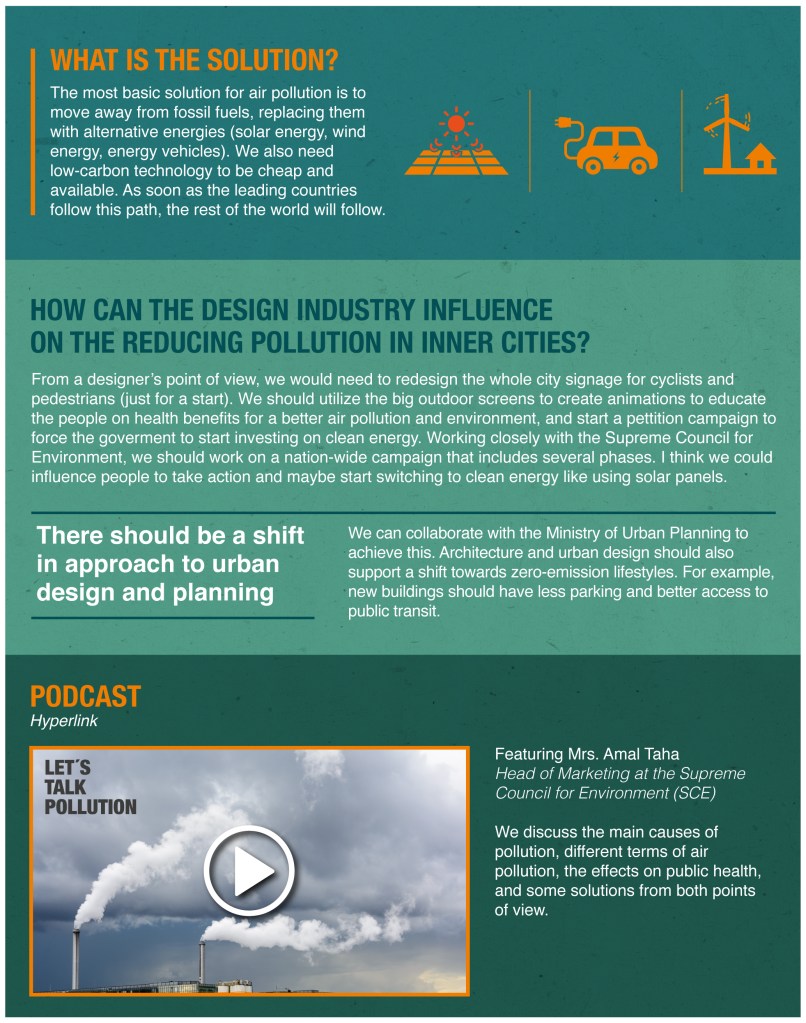
For this week’s challenge, I’ve decided to reach out to one of my ex-colleague, whom currently works at the Supreme Council for Environment as Head of Marketing. We shall be discussing the main causes of pollution, different terms of air pollution, the effects on public health, and some solutions from both points of view.

Omar Mal
July 8, 2020
 Omar Mal