Working In New Ways
According to an article in Interaction Design Foundation, there are three main ideation methods that could enhance your innovative thinking.
As a designer, thinking creatively and coming up with new ideas goes with the territory. Being considered bottomless supplies of cool ideas might seem flattering, but we know the reality involved in a creative career. Coming up with ideas that are truly groundbreaking can be difficult. We often end up thinking like our competitors. Thinking about things in a completely new way is downright hard. The reason lies in human nature—we’re wired to fit new information and challenges into our existing assumptions about the world, rather than challenge those assumptions and habits.
In everyday life, we need to be able to make sense of the world very quickly, without thinking too much about all the various stimuli that we encounter. To do that, we fit new information into mental categories known as schemas. You could say that schemas are like our own private theory about how the world works. We need schemas so we don’t have to question everyday assumptions such as the facts that an orange tastes sweet and that we must stop walking when the traffic light turns red. However, when we set out to challenge our schemas in order to be innovative, they can become rigid. Consequently, overlooking information that might challenge how we think about the world comes all too easily to us. So, when we want to be creative and think new thoughts, we need strategies to challenge our habitual ways of thinking.
Schemas serve an important function because they allow us to decode the world about us without having to examine everything. Without schemas, even our everyday environment would quickly become a very overwhelming place. A well-known example of schemas that can become problematic is stereotypes. When we meet someone, who looks or dresses a certain way, we immediately have a range of expectations for how we think that person is going to think and behave. Sometimes, changing how we think about things requires a conscious effort, and sometimes our surroundings will force us to change our old schemas. If you sometimes find that your expectations of how something works—or how people behave—is limiting your ability to imagine new solutions and ideas, you can try one of the following three strategies to challenge that and rise above your usual way of thinking.
Three main tools to challenge your creative way of thinking include: Re-expression, Revolution and Random-Links.
The idea behind re-expression is that people in the same business or from the same background often use the same words to describe issues and ideas. When we use the same words many times, they become connected to a lot of associations or schemas. Re-expression is a method to help you think about the challenge in a new and different way that is also different from what your competitors are thinking. This is where the fun really starts. Have you ever heard the phrase “can’t see the wood for the trees”? It means being too close to something to be able to notice aspects of it or even its identity. So, getting distance on your target subject is vital. There are three ways to do this:
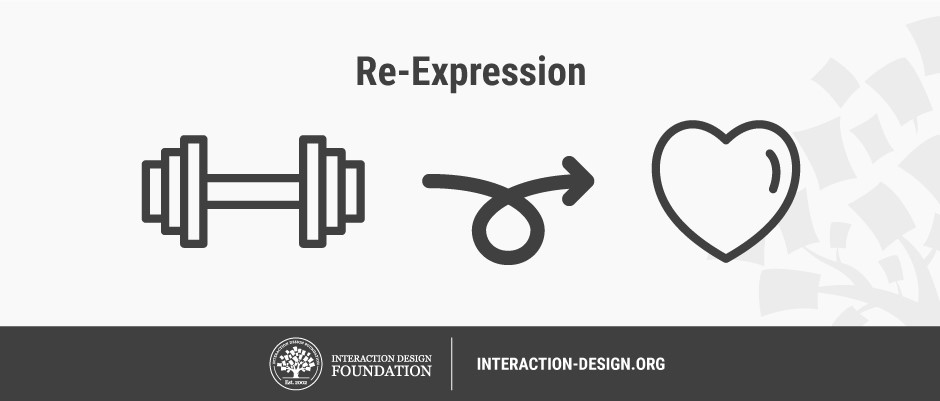
Re-express in different words. Come up with as many related words or metaphors as possible for the issue you are seeking to innovate. The word does not have to mean the same thing; it can be something related. Then think about what associations you have for each of the new words. Do some of them inspire your original issue? How? Why?
Re-express in different senses. Another method for bringing about new ways to think about an issue is to use different senses. You could draw it, act it out, or build it in Legos. Expressing it in different senses will allow you to see connections that were not previously obvious. Again, you should figure out how they inspire your original issue. As you’re doing this, ask yourself why each connection links to the issue.
Re-express from another perspective. Try to think about how someone else, with different sensibilities from yours, would think about the issue. This method is in line with ‘Extreme Personas’. Your assumptions do not need to be an accurate reflection of how the other person would think. The main thing is that imagining another perspective will allow you to see the issue differently, and that’s the key here.
With the Revolution method, you start by writing down as many rules or attributes as you can think of about the issue you are working on. Once you have identified as many rules as you can think of, you can start challenging these rules by asking ‘what if’ questions. Go through all the ‘what if’ questions. Can you come up with concrete ideas to answer them? Do they inspire other ideas?
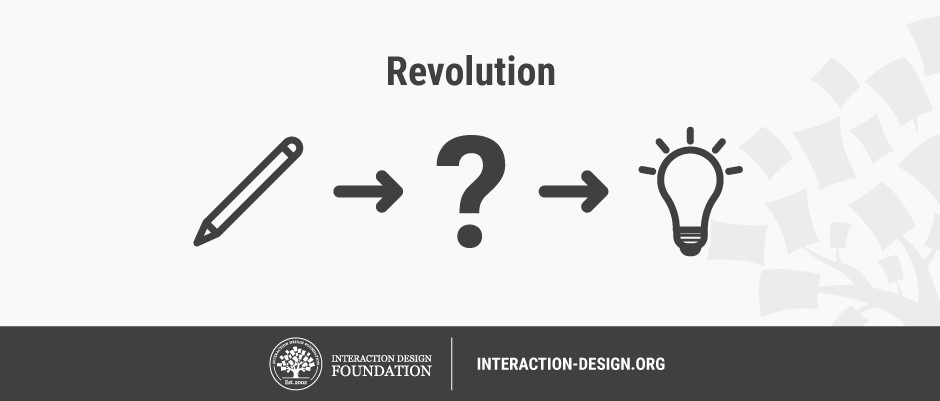
In a way, challenging a rule is the same as creating a new obstruction that you need to work around—because you have created a different rule that requires you to think about things in a new way. The limitation requires you to think differently.
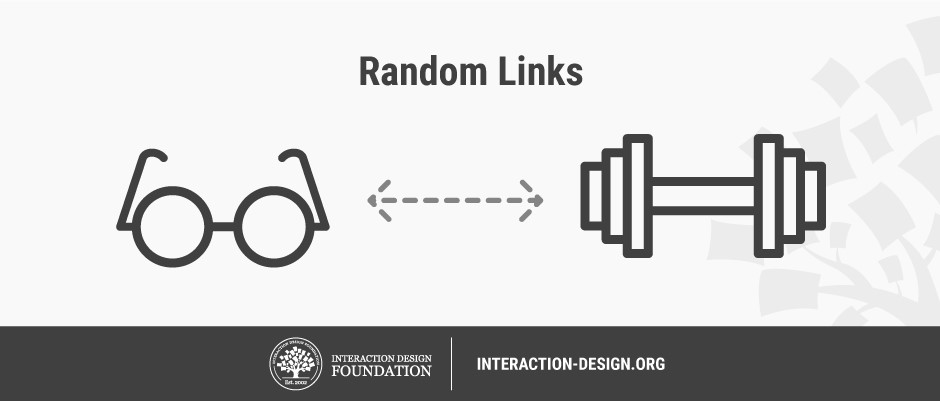
Random Links is a method that allows you to think more broadly about your challenge. It’s also a means for stretching your imagination and reaching out at some exciting possibilities. With this method, you pick a random item and force a connection to the issue you are working on. It is okay to be abstract about what attributes your random item has. Then you try to force a connection. Within reason, this method can take you to some pricelessly awe-inspiring vantage points. It’s also a great deal of fun, as you get to ‘shoehorn’ concepts over your issue at hand to see how well they might fit.
The way we think about new information or challenges is often limited by our schemas, or mental slots and shelves into which we categorise items. We tend to overlook new information and new opportunities in favour of making the world fit into the categories that we are used to—which can feel more comfortable but be terribly constraining. Three distinct methods allow you to challenge your usual way of thinking: Re-Expression, Revolution, and Random Links. You can use these when you need to think about an issue differently or to come up with new and innovative ideas. Exploration leads to innovation and getting those powerful new insights in your future designs can pay massive dividends.
Collaborative Design Process
After getting a brief on designing a new digital product (as an example), it would be great to involve the developers from the first stages of research for each expert to provide his opinion on the matter at hand from the beginning. This will help to build successful products together.
At the research stage, we need to understand the people we are designing for, their needs and current behavior, the context in which they will use the product, and then use these insights to create a meaningful solution for them. This means conducting user studies that involve your potential users, not just discussing the project within your team, but reaching out to real people who you think will be your users.
While preparation for research may be done by the designers themselves, I am sure you should insist that your developers join at least one to two interviews.
At the analysis stage, once we have collected the data, we gather it all together and look for meaningful patterns. Working together to examine specific behaviors and concerns will help your team to be more informed, invested and empathetic with users from the start.
At the implementation stage, we transform all ideas into product. First, we conduct ideation sessions as a team to make sense of what we learned and come up with design principles and UI concepts for the product. Always involve your developers in the concept sketching and together review design prototype after usability sessions with the user. During implementation phase we usually iterate on the design prototype through a series of usability tests until we come to the final solution.
Designing together helps everyone to be more informed, invested and empathetic with users from the start. Ideally the design process should look like this.
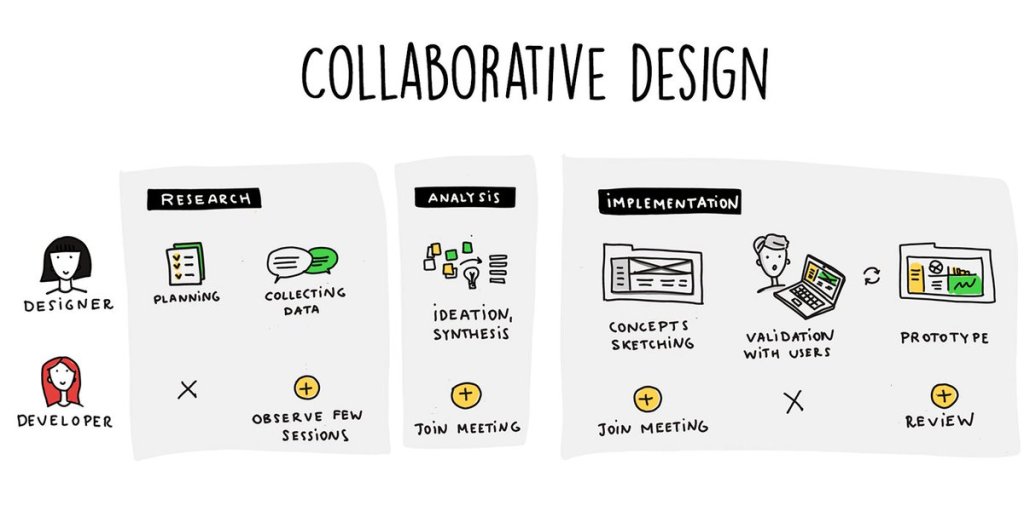
(Source: uxplanet.org)
Workshop Challenge
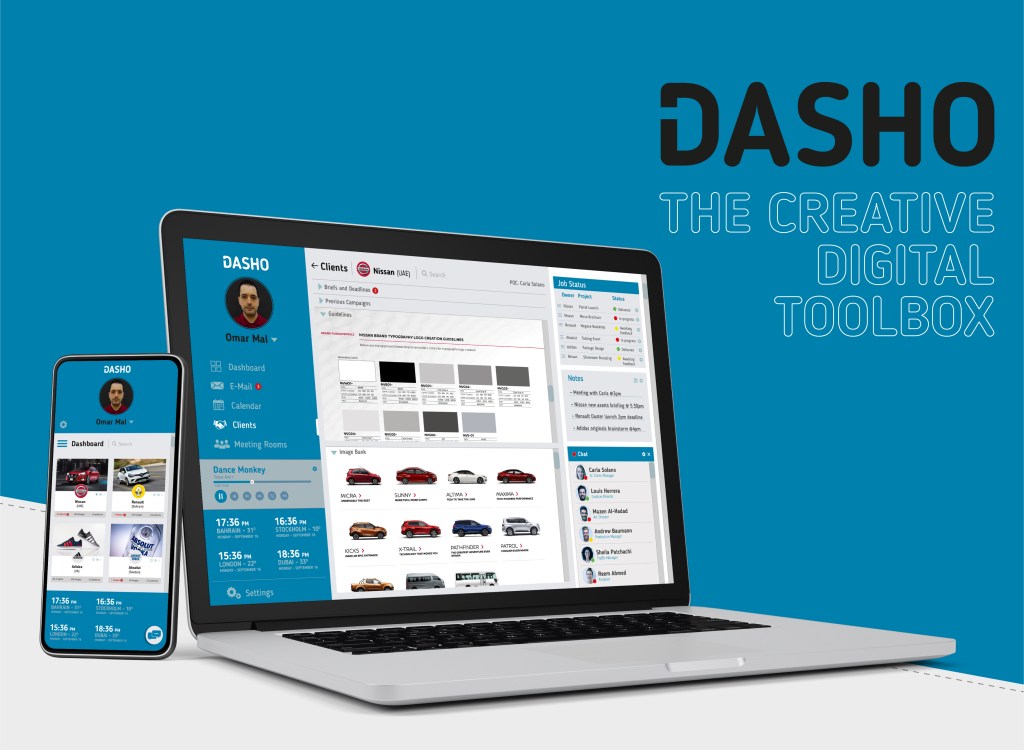
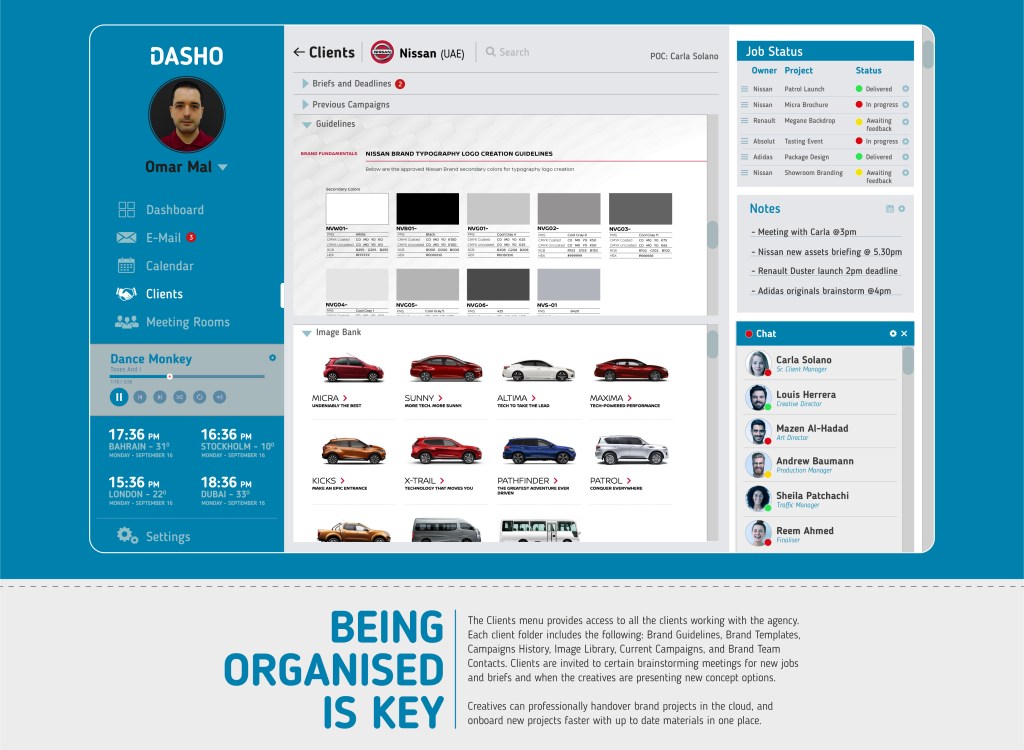
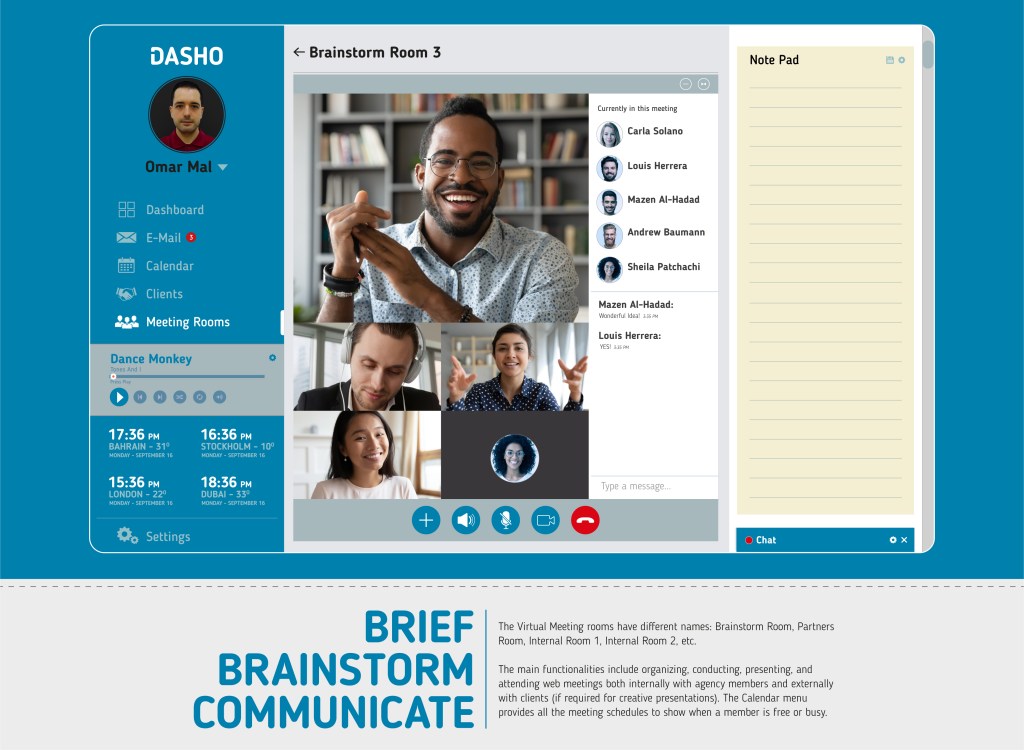
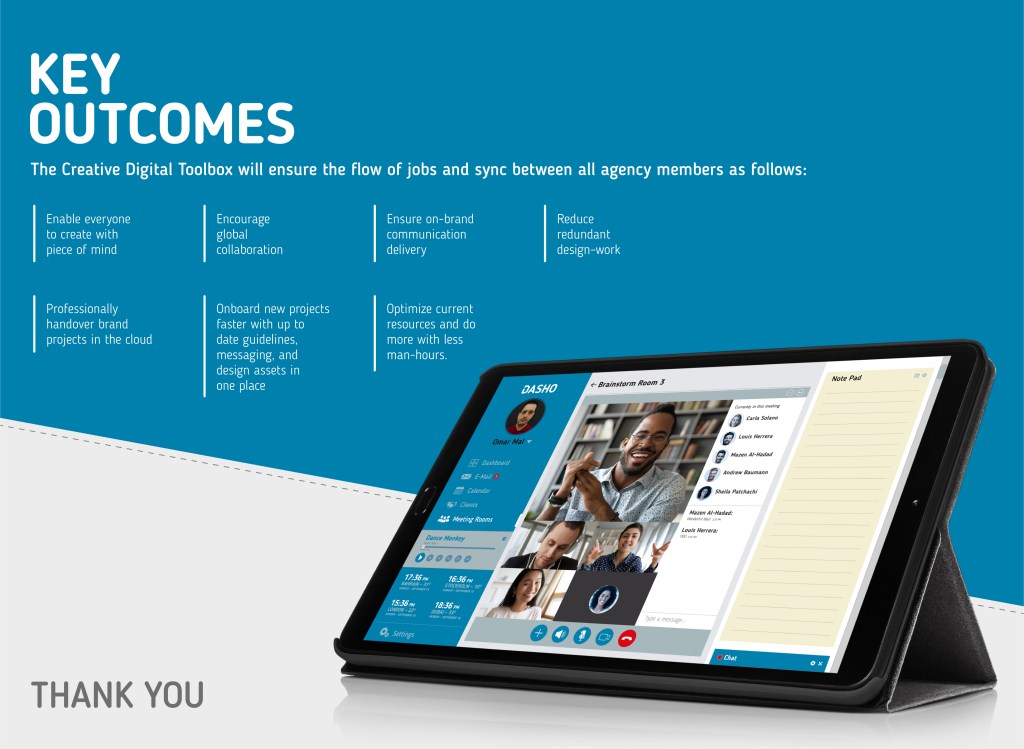
For this week’s workshop challenge, I’m expanding into the idea of the Creative Hub suggested last week. I have decided to name it “The Creative Digital Toolbox”.
The Idea
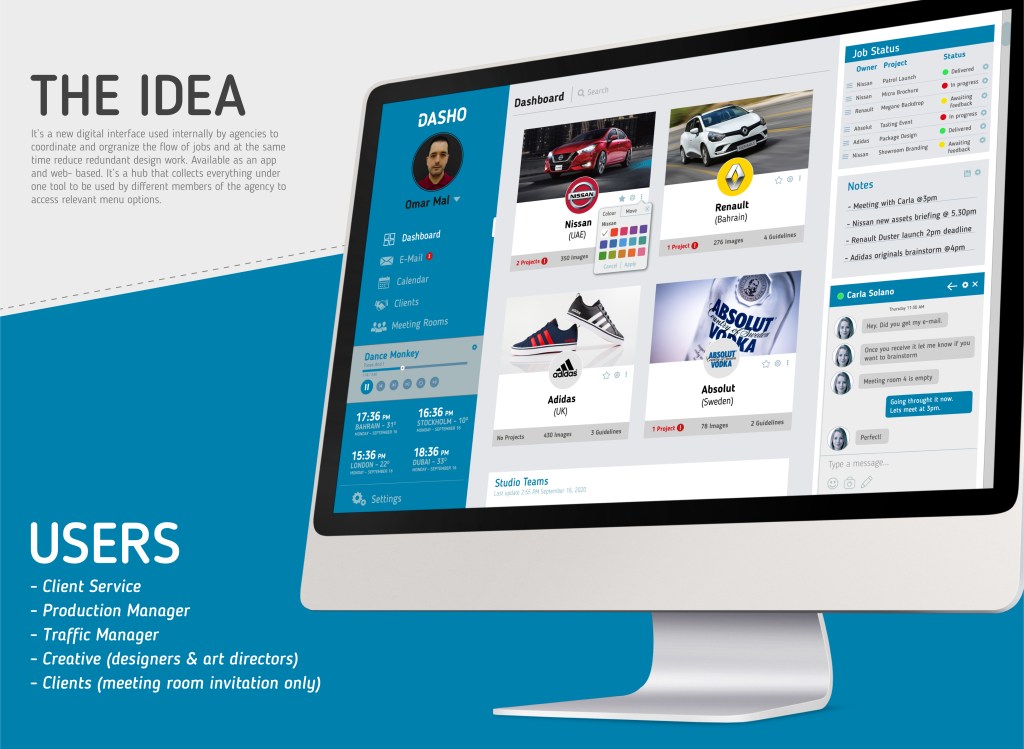
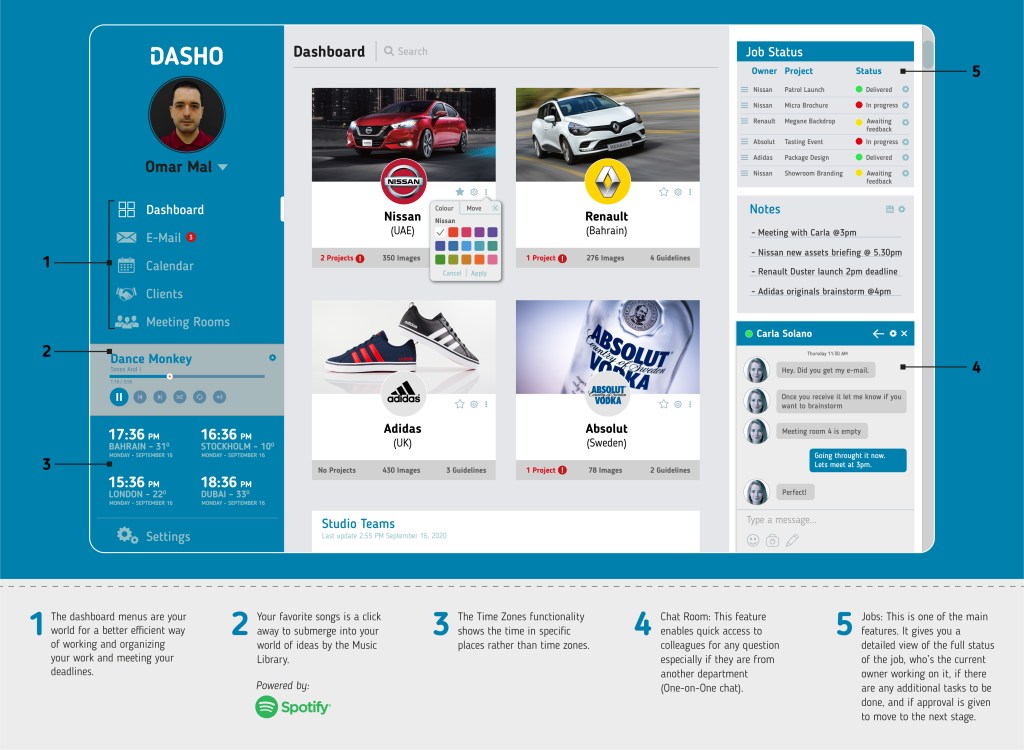
It’s a new digital interface used internally by agencies to coordinate and organize the flow of jobs and at the same time reduce redundant design work. Available as an app and web- based. It’s a hub that collects everything under one tool to be used by different members of the agency to access relevant menu options. Designers usually have multiple tabs open, are looking for an image in a folder, having to look for guidelines for a specific client, having multiple software open (i.e. music, email, video calls, etc.) and the list goes on. All of these make the design work very redundant and unorganized. The Creative Digital Toolbox is the one solution that embeds all the above requirements under one hub via cloud for easier access, anytime and anywhere. Your dashboard is your world for a better efficient way of working and organizing your work and meeting your deadlines.
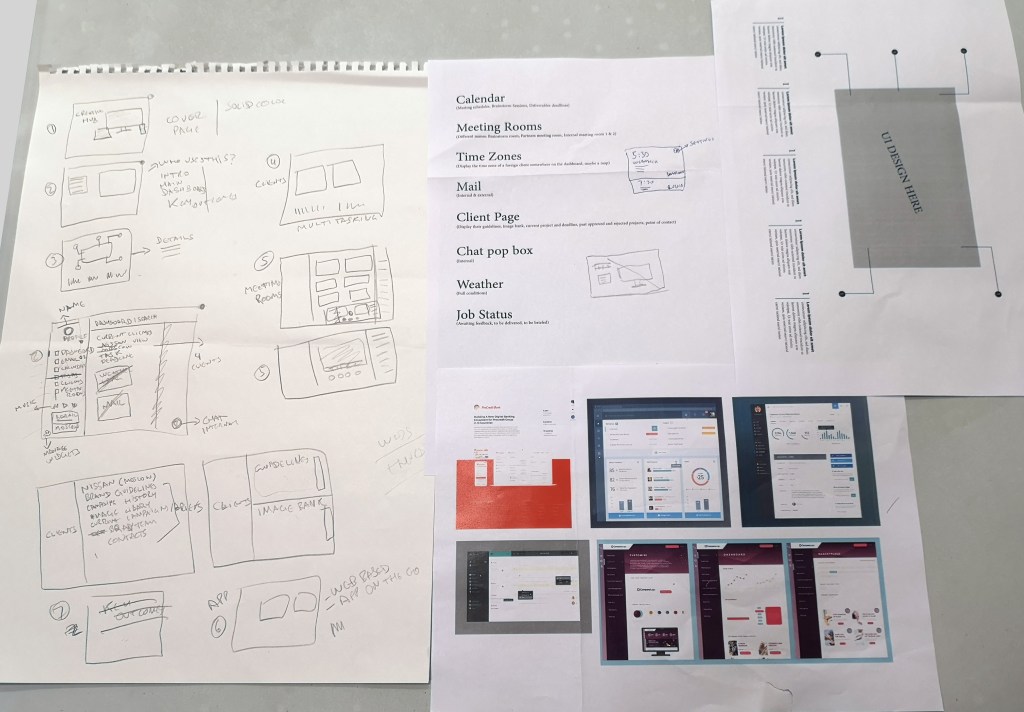
Sketches below:
Omar Mal
July 21, 2020
 Omar Mal